Upgrade Your Home With Qualified Architecture Assistance
Improving a home through professional architecture services involves more than just aesthetics. It requires a deep knowledge of functional design and municipal construction codes. Collaborating with an seasoned design expert can handle common challenges while enhancing property appreciation. The process is systematic and detailed, confirming that every detail aligns with the homeowner's aspirations. Yet, many homeowners experience difficulty to navigate this undertaking effectively. What steps can they take to secure a successful alliance?
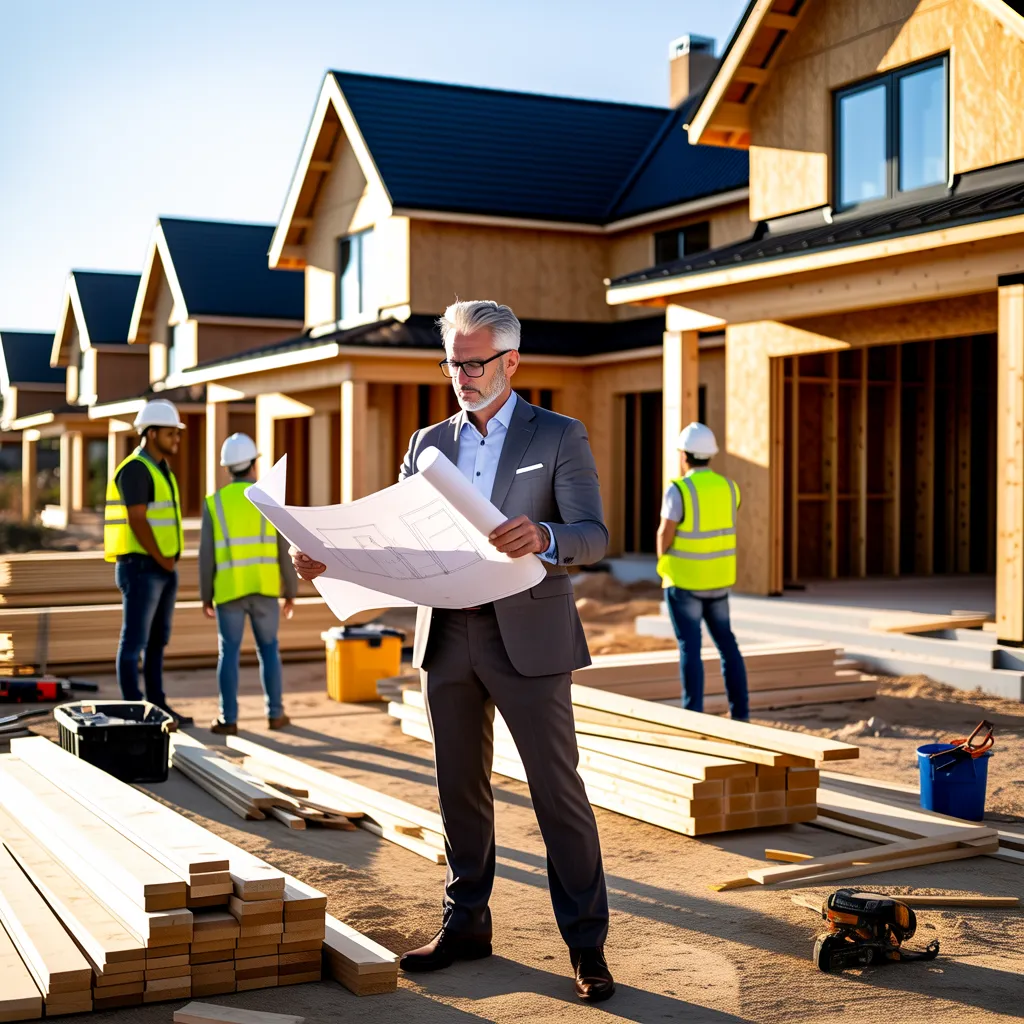
Standard Home Design Dilemmas and Methods Architects Address Them
What causes home design to be so overwhelming for most homeowners? The difficulty of mixing personal aesthetic choices with practical needs often exhausts them. Homeowners frequently encounter issues with space limitations, budget limitations, and regulatory requirements, making design work more challenging. Additionally, many lack the specialized expertise required to manage structural needs and building codes.
Architects hold an indispensable role in tackling these hindrances. Their professional preparation furnishes them to traverse the subtleties of design, ensuring that a homeowner's vision corresponds with practical conditions. Architects can supply revolutionary solutions to maximize space while maintaining safety standards. They also facilitate in constructing unified designs that represent the dwelling owner's character. By extending wisdom into materials and erection methods, architects enable hasten the decision-making process. Ultimately, their mastery metamorphoses a seemingly intimidating quest into a shared journey, cultivating a harmonious balance between creativity and practicality in home design.
Perks of Consulting a Professional Architect
Partnering with a professional architect enhances the residential design process by integrating professional competence with the client's perspective. Architects present a wealth of experience in design principles, building codes, and sustainability practices, ensuring that the endeavor not only achieves design targets but also complies with regulations. Their capacity to imagine and explain complex ideas supports translating conceptual frameworks into tangible designs.
Furthermore, architects can provide innovative solutions to spatial challenges, improving layout and functionality. They also manage the intricacies of the construction process, collaborating with contractors and suppliers to ensure schedules and finances are adhered to. This professional oversight reduces possible mistakes and reduces the pressure associated with home building or renovation. Ultimately, collaborating with an architect produces a thoughtfully crafted, unified space that embodies the essential resource homeowner's personality while boosting overall property value.
What Are the Essential Stages in the Architectural Procedure?
In what way does the architectural process unfold from initial idea to completion? The path begins with an first meeting, where the designer and client explore objectives, requirements, and cost parameters. This phase is essential for setting up a clear vision. Following this, the designer conducts location assessment, evaluating considerations like topography, environmental conditions, and regulatory requirements.
Subsequently, the design phase gets started. At this stage, sketches and digital models are fashioned, enabling the client to comprehend the project. Once the design is established, the architect drafts detailed construction documents, listing specifications and drawings.
With necessary permits obtained, the project enters the building stage. The architect regularly collaborates with contractors to guarantee that the plan is implemented correctly. Frequent site visits and assessments help maintain quality and adherence to the initial vision. Finally, the project culminates in a walkthrough, confirming that the completed structure meets the client's expectations before the official handover.
What's the Most Effective Way to Choose the Ideal Architect for Your Home?
Discovering the suitable professional for your dwelling requires careful thought and study. Prospective residents should start by clarifying their distinct needs and budget, which will direct their search. Advice from friends, relatives, or real estate specialists can deliver helpful opportunities. Web-based galleries and ratings help with examining an architect's previous work and client happiness.
Next, interested parties should speak to multiple prospects to evaluate their communication style, background, and design approach. It's vital to address timelines and project expectations to ensure agreement. Furthermore, verifying credentials and reviewing relevant licenses and certifications can avoid future complications.
In conclusion, homeowners should believe in their hunches. The ideal architect should not only exhibit the necessary skills but also connect with the homeowner's perspective and ethics. This synergy promotes a collaborative environment, in due course achieving a productive alliance in crafting a desired residence.
Approaches to Present Your Ideas Proficiently
Effectively conveying a concept for home design is crucial for a successful partnership between property owners and design professionals. To accomplish this, homeowners should start by clearly outlining their needs and preferences. Developing a visual reference collection with images, colors, and materials can help expressing visual preferences. Additionally, specifying functional specifications, such as space dimensions and floor plan, guarantees that the architect comprehends practical elements.
Property owners should also engage in frank discussion, promoting inquiries and input to refine their concept. Frequent meetings throughout the design process foster collaboration and transparency. Employing straightforward language to express ideas and concerns can avoid confusion and help match goals.
In conclusion, embracing the architect's skills permits a more dynamic exchange of ideas. By blending personal vision with professional insight, homeowners can build a constructive relationship that produces a beautifully designed space expressing their aspirations.
Tips for Financial planning Architecture Offerings
While starting a home design project, setting a budget for architecture services is essential to avoid monetary hardship later. Homeowners should begin by researching typical fees in their area, which can vary based on the project's complexity and the architect's experience. It is advisable to allocate a percentage of the overall project cost specifically for architectural services, typically ranging from 5% to 15%.
Next, prospective customers should review the scope of services needed—whether they want full design and project oversight or simply preliminary consultations. Engaging in candid discussions with prospective architects regarding their fee structures can bring clarity on pricing.
Additionally, homeowners should take into account unexpected expenses and potential revisions, establishing a financial reserve in the budget. By explicitly outlining their financial parameters in advance, clients can guarantee they pick an design expert who reflects their vision while remaining within their budget constraints.
Common Questions Posed Often
What Forms of Architectural Are Accessible for My Home?
Homeowners can select from multiple architectural styles, including modern, traditional, colonial, Mediterranean, and contemporary. Each style offers unique visual appeal and practical features, enabling individuals to showcase personal taste while taking into account regional influences and environmental factors.
What Duration Does the Building Design Process Usually Involve?
The architectural procedure typically takes a number of months, depending on project complexity, design approvals, and local ordinances. Factors such as stakeholder input and construction timelines can also influence the timeframe substantially throughout the process.
Can Architects Help With Eco-friendly Building Choices?
Architects can clearly support with green design choices. They incorporate eco-friendly materials, efficient energy systems, and innovative layouts, guaranteeing projects reduce environmental impact while maximizing functionality and aesthetic appeal, matching with clients' sustainability goals effectively.
What Skills Can I Consider When Selecting an Architectural Expert?
When hiring an architect, one should look at their qualifications, accreditation, experience in relevant projects, selection of projects highlighting their design sensibility, and grasp of local compliance standards. Communication skills and feedback from previous clients also become crucial in the decision-making process.
What Approach Do Building Designers Take to Tackle Zoning and Permit Concerns?
Architects tackle regulatory obstacles by performing comprehensive analysis on regional requirements, assembling required paperwork, and communicating to municipal authorities. Their proficiency guarantees adherence, expediting the approval process for customer developments efficiently.